

 My Basket
 Using Fibre Cement Weatherboard for Your Project
When picking external cladding, the decision often comes down to more than just appearance. Fire performance, durability, installation method, and long-term maintenance all play a significant role in how a façade performs over time.
Fibre cement weatherboards have become a go-to solution for builders, developers, and architects looking to achieve a timber-style finish without the ongoing maintenance. However, not all systems are positioned in the same way.
This guide explores what to look for when selecting a fibre cement weatherboard, while highlighting how a modern system like Supertech™ Weatherboard is designed to meet the demands of today’s construction projects.
What Is a Fibre Cement Weatherboard?
A fibre cement weatherboard is a type of external cladding made from a mix of cement, sand, and cellulose fibres. It is designed to replicate the look of timber while offering improved durability, fire performance, and reduced maintenance.
It is commonly used across residential and commercial projects where long-term performance and a consistent finish are required.
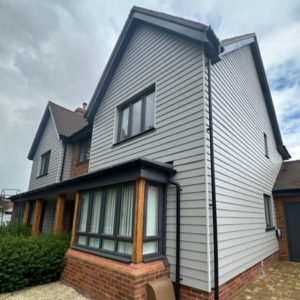
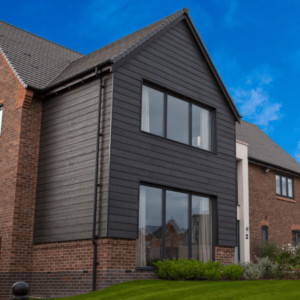
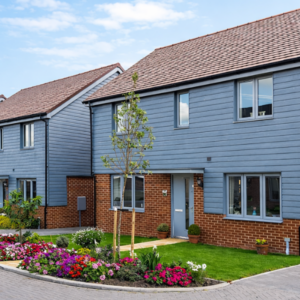
Positioning and Typical Applications
Fibre cement weatherboards are widely used across residential and commercial construction, but their positioning can vary depending on how they are designed and specified.
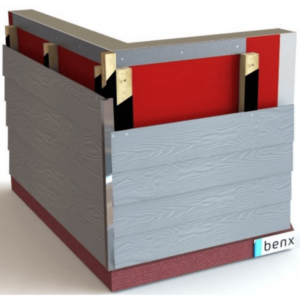
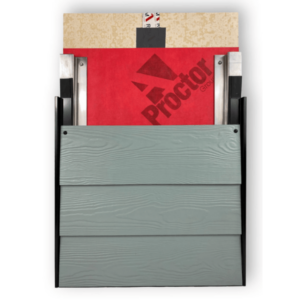
Supertech™ Weatherboard is designed as a ventilated rainscreen cladding system. It is suitable for new build façades, over-cladding, and feature detailing, and works across timber frame, steel frame, masonry, and modular construction.
Many fibre cement weatherboards on the market are positioned as straightforward timber alternatives, typically used on residential and light commercial projects where ease of installation and a clean, traditional finish are the priority.
Key Takeaway:
• Fibre cement weatherboards vary from simple timber alternatives to fully specified façade systems.
• Supertech™ is designed as a system-led solution, supporting a wide range of modern construction methods.
Fire Performance and Compliance
Fire classification is often a critical specification factor, particularly on multi-storey or higher-risk buildings.
Supertech™ Weatherboard achieves an A1 non-combustible classification to BS EN 13501-1, placing it in the highest possible fire performance category.
Many alternative fibre cement weatherboards are classified A2-s1,d0, which still offers strong performance and suitability across a wide range of applications.
What this means in practice:
• A1 classification provides maximum reassurance where fire performance is a primary concern.
• It supports more demanding specifications and can simplify decision-making on projects where compliance is critical.
Durability and Long-Term Performance
Fibre cement weatherboards are designed to outperform timber in terms of both lifespan and resistance to environmental factors, but the level of performance can vary.
• Resistant to rot, fungus, and insects.
• Designed for long-term weather resistance.
• Supported by a minimum life expectancy of 30 years.
Across the wider market, fibre cement boards are typically promoted as low-maintenance and durable, with compliance to standards such as BS EN 12467. Some systems also offer warranty-backed performance and enhanced resistance to moisture movement.
Key Takeaway:
All fibre cement weatherboards provide a durable alternative to timber, but Supertech stands out with a clearly defined 30-year minimum life expectancy alongside strong resistance to weathering, impact, and biological attack, making it a reliable long-term solution.
Appearance, Texture, and Design Flexibility
Visual finish is often a deciding factor, particularly on residential and architect-led projects.
Supertech™ Weatherboard offers:
• A timber-style appearance.
• Painted and stained finishes.
• Colour matching to RAL, BS, or NCS.
Across the market, fibre cement weatherboards are typically available in woodgrain or smooth finishes, with varying colour ranges depending on the manufacturer. Some systems offer broader standard colour palettes, while others focus on a smaller, more streamlined selection.
Key Takeaway:
Supertech combines a strong standard colour offering with the added flexibility of colour matching, making it suitable for both standard specifications and more design-led projects.
Board Size, Coverage, and Efficiency
Board dimensions directly impact installation speed and coverage per square metre, which in turn affects overall project cost.
Supertech™ Weatherboard features:
• 3660 x 190mm standard board size.
• Larger board options available.
• Coverage up to 0.73m² per board depending on overlap.
Across the wider market, board widths and coverage can vary, with some systems offering wider boards to reduce the number required per square metre, while others use narrower profiles that increase board count.
Key Takeaway:
Supertech delivers strong coverage with the added advantage of larger board options, helping reduce installation time and overall project cost. When combined with its performance characteristics, this supports excellent value for money across the full project.
Installation Approach and Flexibility
Ease of installation can influence both labour time and overall project cost, and one of the key advantages of fibre cement weatherboards is the familiarity of installation methods.
Most systems:
• Can be installed using standard tools and fixing methods.
• Are suitable for timber and metal subframe applications.
• Follow widely recognised weatherboard installation principles.
This means installers can work confidently without needing specialist training or equipment.
Where Supertech™ Weatherboard adds further value:
• Horizontal and vertical installation options.
• Secret-fix system with no pre-drilling required under standard conditions.
• Engineered with a less dense fibre structure, improving durability and reducing the risk of breakage during handling.
This reduced breakage can help minimise wastage on site, supporting both efficiency and cost control.
Key Takeaway:
Fibre cement weatherboards are generally straightforward to install, but Supertech offers added resilience during handling, helping reduce breakages and improve on-site efficiency.
Rainscreen Systems and Ventilation
Proper ventilation is essential for long-term façade performance.
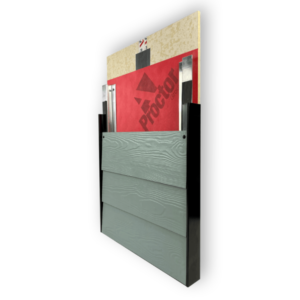
Supertech™ Weatherboard is explicitly designed as a ventilated rainscreen system, with a full build-up including membrane, cavity, and support frame options.
Many fibre cement cladding systems support ventilated installations and can be used alongside insulation and membrane layers to improve thermal performance.
Key Takeaway:
While ventilated installation is common across fibre cement systems, Supertech is specifically designed as a complete rainscreen solution, supporting more robust and controlled façade performance.
Maintenance and Ongoing Upkeep
Fibre cement weatherboards are widely chosen for their low maintenance requirements compared to timber cladding.
• Easy to clean using warm water and a mild detergent.
• Simple to maintain with no need for harsh chemicals or specialist treatments.
Across the market, fibre cement boards are typically positioned as low maintenance, removing the need for repainting and reducing long-term upkeep compared to timber.
Key Takeaway:
All fibre cement weatherboards are low maintenance, but Supertech stands out for its simplicity, requiring only occasional cleaning with warm soapy water, making it a practical choice for long-term upkeep.
Why Supertech™ Weatherboard Is Built for Modern Construction
Fibre cement weatherboards offer a reliable, low-maintenance alternative to timber, but performance can vary depending on how the system is designed and specified.
Supertech™ Weatherboard brings together key advantages that matter on modern construction projects:
• A1 non-combustible fire performance for maximum reassurance.
• Strong coverage and board sizing to support cost efficiency.
• Engineered durability with a minimum 30-year life expectancy.
• Reduced breakage on site, helping minimise waste.
• A fully ventilated rainscreen system approach.
• Flexible design options with extensive colour choice and colour matching.
When considering performance, longevity, and overall project value, it provides a well-rounded solution for a wide range of applications.
Explore Cladding Solutions at Edge Building Products
Selecting the right cladding system comes down to balancing performance, aesthetics, and installation requirements. Whether your priority is fire rating, ease of installation, or long-term durability, fibre cement weatherboards offer a dependable solution.
To explore specifications, availability, and pricing, view the full range available at Edge Building Products or speak to the team for guidance on your next project!
Why Roofing Material Costs Matter More Than Ever
Margins are under constant pressure in the construction industry. Whether you are pricing a small canopy, or a larger roofing job – material costs can quickly eat into profitability if they are not carefully managed.
Polycarbonate roof sheets are a go-to solution for many applications because of their durability, versatility, and ease of installation. However, pricing has not always been as competitive as it could be, particularly when compared to national suppliers.
This is something we have addressed.
Edge Building Products has reduced everyday prices across our polycarbonate roof sheet range, delivering average savings of 27 percent! This is part of a wider commitment to offer better value across key product categories, but without compromising on the service and reliability local trades depend on.
What Are Polycarbonate Roof Sheets, and Where Are They Used?
Polycarbonate roof sheets are manufactured from a high-performance thermoplastic polymer, designed to provide a strong, lightweight alternative to traditional glazing and roofing materials.
They are widely used across both residential and commercial projects due to their flexibility and performance.
Common applications include:
-
- Lean-to roofs and verandas
- Carports and canopies
- Pergolas and garden structures
- Commercial walkways and covered areas
- Greenhouses and horticultural buildings
Their ability to balance strength with light transmission makes them particularly useful where natural light is required without compromising on durability.
Key Benefits of Polycarbonate Roof Sheets on Site
When specifying roofing materials, performance and practicality matter just as much as cost. Polycarbonate sheets continue to be a popular choice because they deliver on both.
High Impact Resistance
Polycarbonate is significantly stronger than traditional glazing materials such as glass or acrylic. It can withstand heavy impacts, making it ideal for exposed environments or areas prone to debris and weather extremes.
Lightweight and Easy to Handle
Compared to alternatives, polycarbonate sheets are much lighter. This reduces handling time on site and makes installation more straightforward, especially on smaller jobs or where access is limited.
Strong Light Transmission
Clear and tinted options allow natural light to pass through while still providing protection from the elements. This makes them suitable for spaces where brightness is important without sacrificing coverage.
Versatility in Design
Available in different thicknesses, sizes, colours, and connection profiles, polycarbonate sheets can be adapted to suit a wide range of structures.
For example:
-
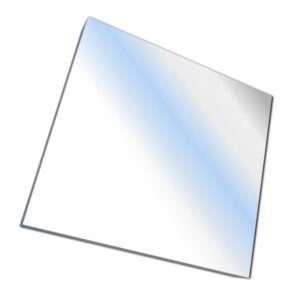
- Solid Polycarb Sheet Clear offers a clean, glass-like finish with excellent clarity.
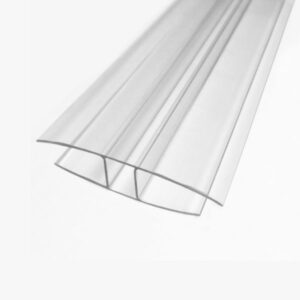
- Polycarbonate H Section Clear provides a practical joining solution for multi-sheet installations.

Low Maintenance
Polycarbonate does not require regular treatment or sealing. Once installed correctly, it offers long-term performance with minimal upkeep.
A More Competitive Price Point for Everyday Jobs
Historically, our pricing in this category has not always matched the nationals. That is a fair reflection of where things were.
As a local, family-run business, our focus has always been on service, reliability, and product knowledge. That is still at the core of what we do.
However, we also recognise that price plays a critical role in winning work and maintaining margins.
That is why we have taken a proactive approach to reviewing and reducing prices across our polycarbonate roof sheet range.
The result:
-
- Average savings of 27 percent across the range.
- More competitive pricing against national suppliers.
- Better value without compromising on availability or service.
This is not a short-term promotion. These are everyday price reductions designed to support trades on an ongoing basis.
Part of a Wider Pricing Review Across Key Categories
This move is not happening in isolation.
Earlier this year, we implemented significant price reductions across soil pipes and underground drainage. Polycarbonate roof sheets are the next step in a broader strategy to make key product categories more competitive and accessible.
Why Buy Polycarbonate Sheets from a Local Supplier?
Price is important, but it is not the only factor that affects how smoothly a job runs.
Working with a local, specialist supplier offers practical advantages that national merchants often struggle to match.
Faster, More Reliable Supply
With strong local stock holding and next-day delivery available on stock items, you can keep projects moving without unnecessary delays.
Straightforward, Knowledgeable Support
If you are unsure on sheet type, thickness, or fixing methods, you can speak to a team that truly understands the products and how they are used on site.
Flexible Ordering Options
Order in the way that suits you:
-
- Trade counter
- Phone – 0345 021 3333
- Email – [email protected]
- Online
A Service Built Around the Trade
As a family-run business, the focus is on long-term relationships, not just transactions. That means being easy to deal with, responsive, and consistent.
Key Takeaways
-
- Polycarbonate roof sheets offer a durable, lightweight, and versatile roofing solution.
- They are suitable for a wide range of residential and commercial applications.
- Edge Building Products has reduced prices by an average of 27 percent across the range.
- This forms part of a wider effort to improve value across core product categories.
- You still get the same reliable service, local stock, and expert support.
Explore the Range and Start Saving on Your Next Job
If you are specifying materials for an upcoming project, now is a good time to review your options.
Browse the full range or get in touch with the team to discuss your requirements and find the right solution for your project!