

 My Basket
Why Composite Decking Has Become Increasingly Popular
Creating a practical, attractive outdoor space has become a bigger priority for both homeowners and commercial projects in recent years. Decking remains one of the most effective ways to improve the usability of gardens and external areas, whether that is for dining, entertaining, relaxing, or creating defined zones within a landscape design.
Traditional timber decking has long been a popular choice. However, composite decking has rapidly grown in demand due to its lower maintenance requirements, modern appearance, and longer-term performance benefits.
For trades, it offers a durable solution that many customers actively request. For homeowners, it provides the appearance of timber without many of the ongoing issues associated with natural wood. But with a higher upfront cost compared to some timber alternatives, an important question is often asked:
Is composite decking actually worth it?
The short answer for most projects is yes. However, understanding why requires a closer look at the material itself, how it performs over time, and what both installers and homeowners should consider before choosing it.
What Is Composite Decking?
Composite decking is manufactured using a blend of recycled wood fibres and plastic materials. This combination creates a durable decking board that is designed to replicate the appearance of wood while reducing many of the maintenance concerns associated with natural timber.
Unlike traditional decking, composite boards are engineered for improved consistency, weather resistance, and longevity.
At Edge Building Products, our composite decking range includes:
Signature Decking
Signature Decking is a premium composite decking solution designed to provide a modern finish with long-term durability and low maintenance requirements.
Triton Decking Range
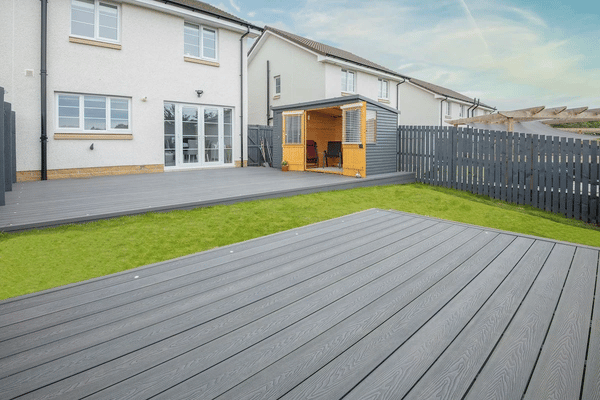
The Triton WPC Decking Range features both a woodgrain and grooved finish within a single board design, helping to create a more realistic timber appearance without many of the drawbacks of traditional wood decking.
The Key Benefits of Composite Decking
Lower Maintenance Requirements
One of the main reasons homeowners choose composite decking is the reduced maintenance involved compared to traditional timber.
Timber decking often requires:
- Regular staining
- Sealing
- Painting
- Sanding
- Ongoing treatment against moisture and rot
Composite decking significantly reduces these requirements.
Whilst cleaning is still recommended to maintain appearance, ongoing upkeep is far less intensive. For many homeowners, this is one of the biggest long-term advantages.
Improved Durability
Composite decking is designed to withstand outdoor conditions more effectively than many timber alternatives.
It is generally more resistant to:
- Rot
- Moisture damage
- Insect activity
- Warping
- Cracking
- Splintering
For families, the splinter-free surface can also make it a safer option in gardens and outdoor entertaining areas.
Consistent Appearance
Natural timber changes significantly over time as it weathers. Some homeowners appreciate this, but others prefer a cleaner and more consistent finish.
Composite decking is designed to maintain a more uniform appearance for longer, particularly higher-quality co-extruded products that are manufactured specifically to resist fading and staining.
Modern Aesthetic Options
Modern composite decking ranges offer a much more realistic timber appearance than early-generation products.
The Triton Decking Range, for example, includes:
- Woodgrain finishes
- Grooved finishes
- Multiple contemporary colour options
This allows installers and homeowners to achieve a more premium-looking outdoor space without relying on natural timber alone.
Long-Term Value
Although composite decking can involve a higher upfront investment, many customers find that the reduced maintenance costs and longer lifespan help offset this over time.
The Triton Decking Range also includes a 10-year guarantee, providing additional confidence in long-term performance.
What Trades Need to Know About Composite Decking
For installers, composite decking presents both advantages and important installation considerations.
Easier Handling and Installation
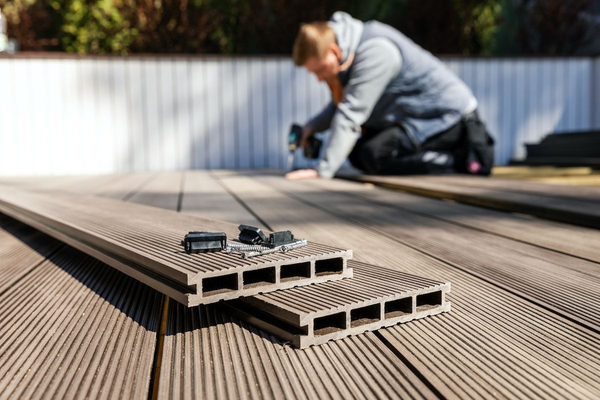
Composite decking systems are designed to streamline installation compared to some traditional timber builds.
Benefits can include:
- Consistent board sizing
- Matching accessories
- Cleaner finishes
- Reduced risk of splitting during installation
This can help create a more efficient install process and a more professional final result.
Expansion and Contraction Must Be Considered
Like many manufactured materials, WPC decking expands and contracts with temperature changes.
This means installers must:
- Follow manufacturer spacing recommendations
- Allow for expansion gaps
- Use the correct fixing systems and trims
Spring and Summer Installation Is Often Recommended
Composite decking can technically be installed throughout the year. However, warmers conditions are often considered ideal due to more stable temperatures and improved working conditions.
Customer Expectations Are Changing
More customers now actively ask for low-maintenance outdoor solutions.
For trades, offering composite decking can help:
- Increase perceived project value
- Meet modern homeowner expectations
- Reduce future maintenance concerns for clients
- Differentiate from competitors still relying solely on timber solutions
What Homeowners Should Consider Before Choosing Composite Decking
Upfront Cost vs Long-Term Savings
Composite decking usually costs more initially than standard timber decking.
However, homeowners should also factor in:
- Reduced maintenance costs
- Less ongoing treatment
- Longer lifespan potential
- Improved durability
- Lower replacement frequency
In many cases, the lifetime ownership cost becomes far more competitive than it initially appears.
Professional Installation Is Recommended
While some homeowners may consider DIY installation, professional fitting is strongly recommended.
An experienced installer can also advise on the most suitable decking range, finish, and accessories for the project.
Some Maintenance Is Still Required
Composite decking is often described as low maintenance, but not completely maintenance-free.
For example, composite decking should still be cleaned periodically using:
- Soapy water
- Non-solvent cleaning products
Regular cleaning helps maintain appearance and reduce the build-up of dirt or staining.
So, Is Composite Decking Worth It?
For many projects, composite decking offers a strong balance between appearance, durability, and long-term practicality.
While the initial investment can be higher than traditional timber, the benefits often outweigh the added upfront cost, particularly for customers looking for:
- Lower maintenance requirements
- Modern aesthetics
- Long-term durability
- Improved safety and comfort
- Reliable outdoor performance
For trades, it provides an increasingly in-demand product category that can add value to outdoor projects and help meet evolving customer expectations.
For homeowners, it offers the opportunity to create an attractive outdoor space without committing to the same level of upkeep associated with traditional timber decking.
Ultimately, whether composite decking is worth it depends on the priorities of the project. However, for customers focused on longevity, appearance, and reduced maintenance, it is often viewed as a worthwhile long-term investment.
Explore Our Composite Decking Range
At Edge Building Products, we supply quality composite decking solutions designed to combine appearance, durability, and ease of installation.
Our range includes:
- Signature Decking
- Triton Decking Range
- Matching accessories and finishing products
Whether you are a trade professional specifying materials for a project, or a homeowner exploring options for your outdoor space, our team can help you find the right solution.
Browse the range online or get in touch with the team for further advice and product support!