

 My Basket
Choosing Where You Buy Matters Just as Much as What You Buy
Every trade business relies on a dependable supply of materials. Whether you’re fitting windows, installing roofline products, or completing a commercial refurbishment – where those materials come from can have a direct impact on cost, efficiency, and customer satisfaction.
For many trades, the decision comes down to buying directly from a manufacturer or working through a specialist building products supplier.
Both approaches have their place, and each offers distinct advantages depending on the size, complexity, and frequency of your projects.
So, which option is the better fit for your business?
Buying Direct from a Manufacturer
Manufacturers design and produce the products themselves. Buying direct means sourcing materials without a distributor acting as the middleman. For some businesses, particularly those handling very large or hyper-specialised projects, this can be a necessary option.


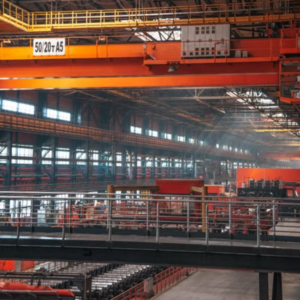
Advantages of Buying Directly from Manufacturers
Direct Access to the Product Source
Working directly with the manufacturer means you are communicating with the company that designs and produces the product. This can be beneficial when discussing product development, manufacturing processes, or highly technical specifications.
Complete Product Range
Manufacturers typically offer every product, variation, and specification they produce, including niche items that may not be stocked by every supplier.
Early Access to New Product Launches
New products and product improvements are often introduced by manufacturers before they become widely available through distribution channels. For businesses looking to adopt the latest systems or innovations, buying direct can sometimes provide earlier access.
Suitable for Large, Standardised Projects
Where projects involve high volumes of the same product specification, working directly with a manufacturer can simplify procurement, particularly if materials are being supplied straight from production.
Potential Drawbacks of Buying Direct from Manufacturers
Whilst buying directly has its advantages, it is not always the most practical solution for day-to-day trade work.
Minimum Order Requirements
Many manufacturers are geared towards larger orders, meaning the average job doesn’t often meet minimum order quantities or spend thresholds.
Longer Lead Times
If products are manufactured to order or dispatched from a central production facility, delivery often takes longer than buying from local stock.
Narrower Product Choice
A manufacturer can only supply its own product range. If your project requires products from multiple brands or categories, you may need to place several separate orders.
Less Flexible for Mixed Projects
Many construction projects require a combination of trims, sealants, fixings, drainage products, roofline, cladding, and accessories. Sourcing everything directly from multiple manufacturers can become extremely time-consuming and more difficult to manage.
Buying Through a Specialist Supplier
A specialist supplier works with multiple manufacturers to provide a broad range of products under one roof. For many trades across the UK, this has become the preferred way of purchasing building materials due to the convenience and flexibility it offers.
Buying Direct from a Supplier
Specialist suppliers, such as ourselves, work with multiple manufacturers to offer a carefully selected range of products that meet the everyday needs of the trade. Rather than sourcing materials from several different companies, trades can purchase everything they need from a single supplier.


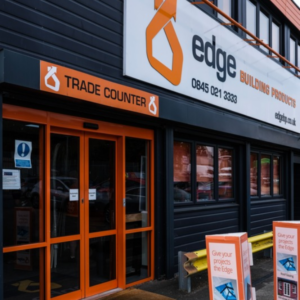
Advantages of Using a Supplier
Everything in One Place
Instead of placing separate orders with several manufacturers, suppliers allow you to source a wide range of products from multiple trusted brands in a single order. This saves time dramatically, reduces administration, and makes purchasing considerably simpler.
Faster Access to Stock
Many suppliers hold extensive local stock, allowing trades to collect materials immediately or receive them through next-day delivery on stocked products. This can make a significant difference when deadlines change or additional materials are needed at short notice.
Flexible Order Sizes
Whether you need a single length of fascia board, a few tubes of sealant, or materials for an entire development – suppliers are generally equipped to accommodate orders of all sizes.
Practical Product Advice
Specialist suppliers work closely with installers every day and understand how products perform on site. They can often recommend suitable alternatives, compatible accessories, or practical solutions based on real-world installation experience rather than purely technical specifications.
One Account, One Invoice
Managing purchases becomes much simpler when multiple product categories can be ordered through one supplier instead of maintaining accounts with numerous manufacturers.
Are There Any Downsides to Using a Supplier?
Like any purchasing route, the experience ultimately depends on the supplier you choose. Whilst specialist suppliers offer significant advantages, not all operate to the same standard.
Limited Stock Holding
Some suppliers rely heavily on ordering products from manufacturers as and when they are needed. This can lead to longer lead times and unnecessary project delays. At Edge Building Products, we take a different approach by maintaining strong stock levels across our product ranges – helping customers get the materials they need, when they need them.
Limited Product Range
Some suppliers only stock a narrow selection of products, meaning trades may still need to source additional materials elsewhere. A well-established supplier should offer a comprehensive range that covers the products trades use every day, making purchasing quicker and reducing the need to manage multiple suppliers.
Which Option Is Best for Most Trades?
For the majority of everyday construction projects, specialist suppliers offer the best balance of convenience, flexibility, and efficiency. Whilst manufacturers remain invaluable for bespoke products, technical support, and large-scale production orders, suppliers simplify the purchasing process by bringing together multiple leading brands, local stock availability, and practical expertise. Instead of spending time coordinating deliveries from several manufacturers, trades can often source everything needed from one trusted supplier and keep projects moving.
Why Many Trades Continue to Choose Local Suppliers
Price will always be an important consideration, but it is rarely the only factor.
Working with a local supplier also offers practical benefits such as:
- Quick access to stocked products.
- Next-day delivery on eligible stock items.
- Friendly, knowledgeable customer support.
- Multiple ordering methods including trade counter, phone, email, and online.
- Long-term relationships with people who understand your business.
These everyday advantages often help save more time than chasing the lowest possible price from multiple sources.
Key Takeaways
- Manufacturers provide excellent technical expertise, bespoke production, and can offer advantages for large-volume purchasing.
- Suppliers make sourcing materials simpler by offering products from multiple manufacturers in one place.
- Local stock, flexible ordering, and practical advice help trades keep projects moving efficiently.
- For most day-to-day building projects, suppliers offer the best balance of convenience, availability, and service.
- The right choice ultimately depends on the size, complexity, and requirements of each project.
Looking for a Reliable Building Products Supplier?
Whether you need roofline, cladding, decking, drainage, sealants, fixings, or much more, choosing the right supplier can help save both time and money across every project. At Edge Building Products, we combine competitive pricing with extensive stock, next-day delivery on stocked items, and knowledgeable support from a team that understands the trade.
Browse our product range online or get in touch to discuss your next project!