

 My Basket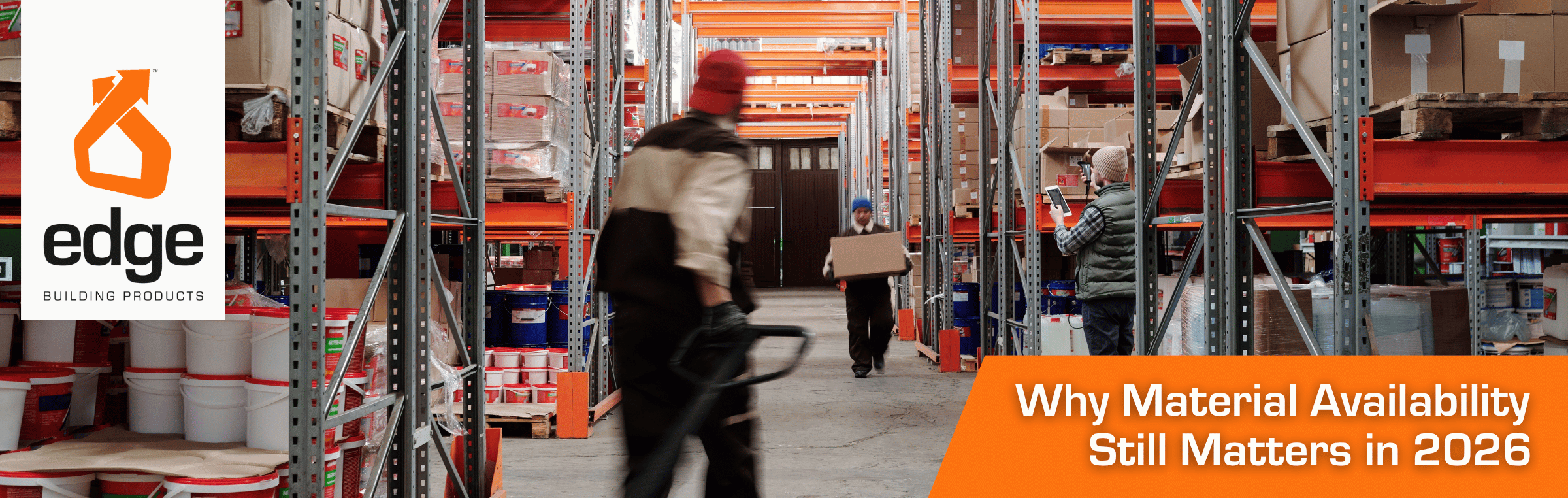
Supply chain disruption may no longer dominate the headlines as it did a few years ago during COVID, but its effects are still being felt across the UK construction industry. Global shipping routes, rising energy prices, international trade policies, and fluctuating demand continue to influence how quickly building materials leave manufacturers.
Whilst many products often remain readily available, delays can still occur – particularly with those that rely on imported raw materials or complex manufacturing processes. Recent geopolitical tensions, shipping disruption, and changes to international trade measures have continued to place pressure on parts of the global supply chain throughout 2026.
For contractors, builders, and merchants, material availability can have a direct impact on project timelines and customer satisfaction. Choosing a supplier with reliable stock has become just as important as securing competitive pricing.
Why Global Events Still Affect UK Building Materials
Many construction products sold in the UK rely on materials, components, or manufacturing processes that involve international supply chains. Even when products are distributed locally, disruptions elsewhere in the world can still create knock-on effects.
Some of the factors continuing to influence availability in 2026 include:
• Higher shipping and logistics costs on certain international routes.
• Increased demand for key raw materials.
• Rising energy costs affecting manufacturing.
• Changes to international tariffs and trade measures.
• Ongoing geopolitical uncertainty affecting global transport networks.
These issues do not affect every product equally, but they do mean that availability can change more quickly than many businesses expect.
Steel and Shipping Pressures
A good example of how quickly supply chains can change is the steel market in 2026.
The UK introduced new steel import measures this month, reducing the volume of tariff-free steel that can enter the country. At the same time, ongoing disruption to international shipping routes and higher energy costs have continued to increase pressure on manufacturers across Europe. While these changes primarily affect steel products, they also highlight how quickly global events can influence lead times, pricing, and product availability throughout the wider construction supply chain.
Even if the products on your next project are not steel-based, many construction manufacturers rely on shared transport networks, raw materials, and production capacity
What This Means for Construction Professionals
When materials become harder to source, the impact extends beyond waiting a few extra days for a delivery.
Delayed availability can lead to:
• Projects being pushed back.
• Installation teams sitting idle.
• Last-minute product substitutions.
• Additional administration and procurement time.
• Pressure on project budgets and customer expectations.
For businesses working to tight schedules, having confidence that products are available when needed helps keep jobs moving and reduces unnecessary disruption.
How to Reduce the Risk of Material Delays
Whilst global supply chain challenges cannot always be avoided, there are practical steps that’ll minimise disruptions.
Planning ahead remains one of the most effective ways to reduce delays. Where possible, identify products with longer lead times early in the project and confirm their availability before committing to installation dates.
It is also worth checking stock availability before finalising quotations, particularly on projects involving specialist or made-to-order products.
Maintaining a good working relationship with reliable suppliers can make a significant difference. Suppliers who communicate openly about stock levels, lead times, and potential supply issues allow builders to make informed decisions and adapt project plans before delays become costly.
The Importance of Strong Stock Holdings
One of the most effective ways suppliers can minimise disruption is by maintaining substantial stock levels.
Rather than relying heavily on products arriving just before they are required, suppliers with larger stock holdings are often better positioned to continue serving customers when demand increases or supply becomes temporarily constrained.
For customers, this can mean:
• Greater product availability.
• Faster order fulfilment.
• Fewer unexpected delays.
• More confidence when planning upcoming projects.
While no supplier is completely immune to global supply chain challenges, maintaining strong stock availability provides an important layer of resilience when market conditions become less predictable.
At Edge Building Products, we understand how important reliable product availability is to our customers. By carrying substantial inventory, we are often able to fulfil orders quickly, even when wider supply chains experience temporary disruption.
Key Takeaways
• Global supply chain disruption continues to influence the availability of some building materials across the UK construction industry in 2026.
• Shipping costs, energy prices, trade policies and geopolitical events can all contribute to changes in lead times and product availability.
• Material shortages and longer lead times can result in project delays, increased costs and additional pressure on scheduling.
• Planning ahead, confirming stock availability early and maintaining strong supplier relationships can help minimise disruption to construction projects.
• Suppliers with substantial stock holdings are often better positioned to maintain product availability during periods of supply chain uncertainty.